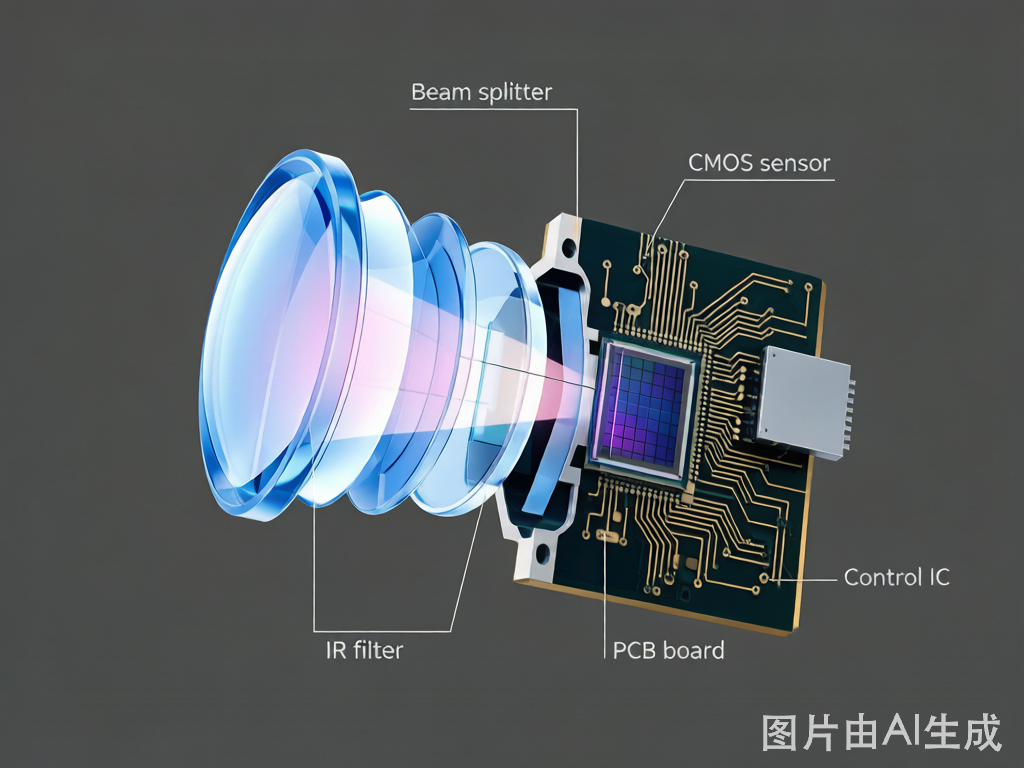
You've probably been there: the design looks great, the algorithms are finely tuned, but when it comes to actual deployment, the image is blurry, color-shifted, and full of noise. You keep troubleshooting software, tweaking parameters, swapping lenses — but nothing works.
The problem likely isn't in that final mile, but at the very source — you chose the wrong camera module.
A camera module is the "eye" of the entire visual system — it sets the ceiling for image quality. Everything downstream (ISP, algorithms, AI processing) can only work within that ceiling. If the module itself is underperforming, no amount of post-processing will help.
Yet camera module selection is full of pitfalls. We've identified the 5 most common pain points in the industry and break them down one by one.
"This project needs 4K — we must use a high-pixel module." — How many times have you heard this?
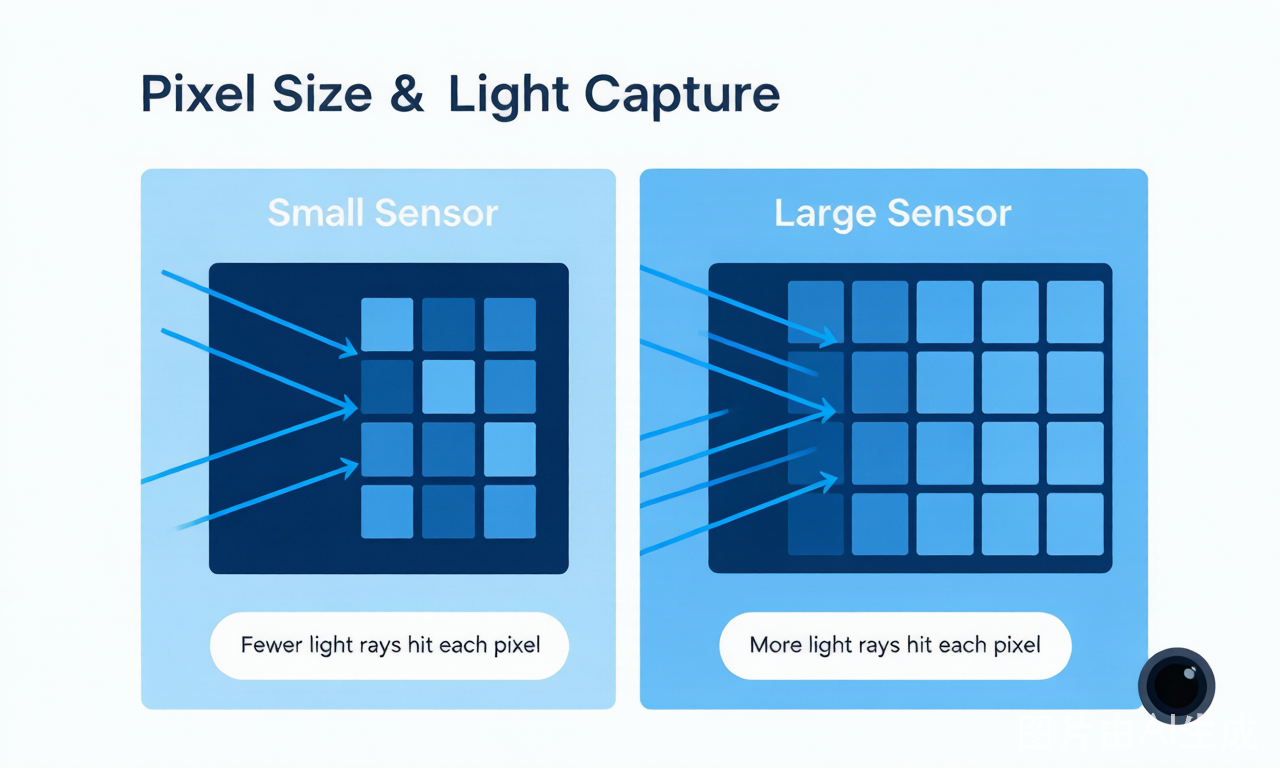
But high pixel count does NOT equal sharp image quality. What truly determines imaging quality is the light-sensitive area of each individual pixel, not the total pixel count.
On a sensor of the same physical size, going from 8MP to 64MP means each individual pixel gets smaller, capturing fewer photons. The result? Worse noise in low light, narrower dynamic range. The spec sheet looks impressive, but real-world performance is worse than a neighboring 12MP module.
The Fix:
Remember this: Pixels determine the resolution ceiling; light-sensitive area determines the image quality floor.
This is the most common complaint in automotive, security, and access control applications. Crystal-clear daytime images, but come nighttime: noise explosion, color distortion, faces blur into mush.
The root cause lies in optical design and sensor sensitivity. Many cost-cutting modules use ordinary glass lenses with poor coating — infrared transmission is low. Sensor quantum efficiency (QE) is insufficient, causing SNR to collapse in weak light.
The Fix:
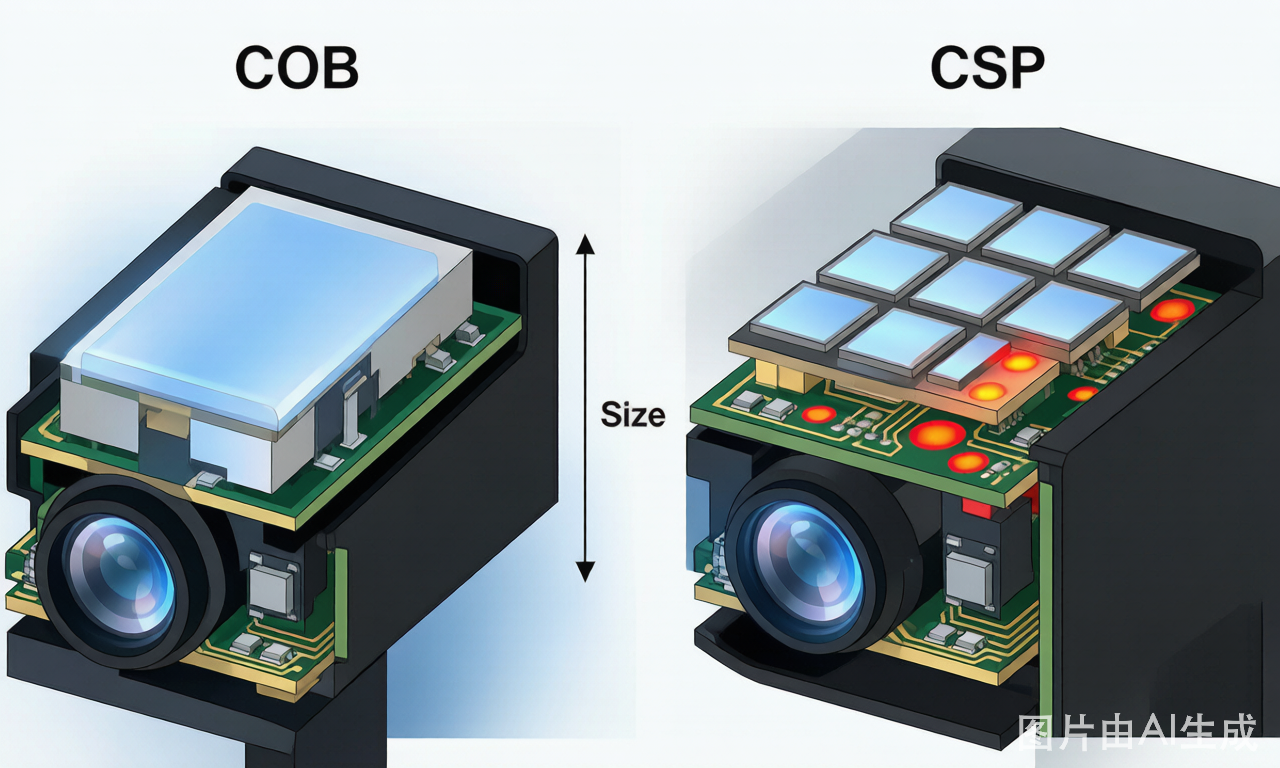
Phones need to be thin with no camera bump. Automotive needs hidden interior mounting where space is precious. Industrial inspection needs to fit into tight enclosures with poor thermal conditions. But image quality cannot be compromised.
The Fix:
In camera modules, sensors account for 40%-50% of cost, lenses 20%-25%. Cost reduction opportunities exist in three areas:
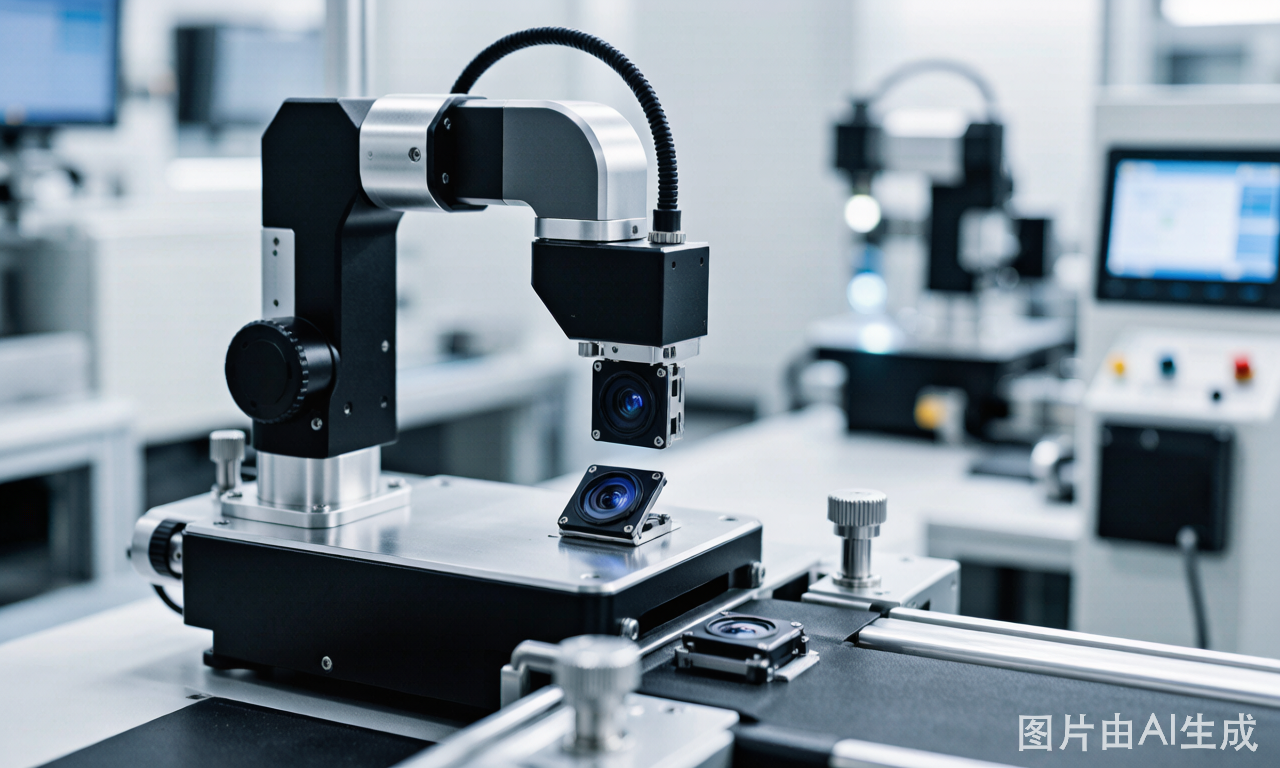
This is the most insidious and fatal pitfall of all. During sampling, suppliers hand-pick "golden samples" with beautiful specs. Come mass production, consistency collapses — color temperature shift, focal length scatter, dead pixel rates climbing across batches.
The Fix:
Looking back at these 5 pain points, they share something in common: none of them can be solved by simply stacking up specs. What truly determines project success are the things you won't find on a datasheet: light-sensitive area, optical design, packaging technology, and supplier capability.
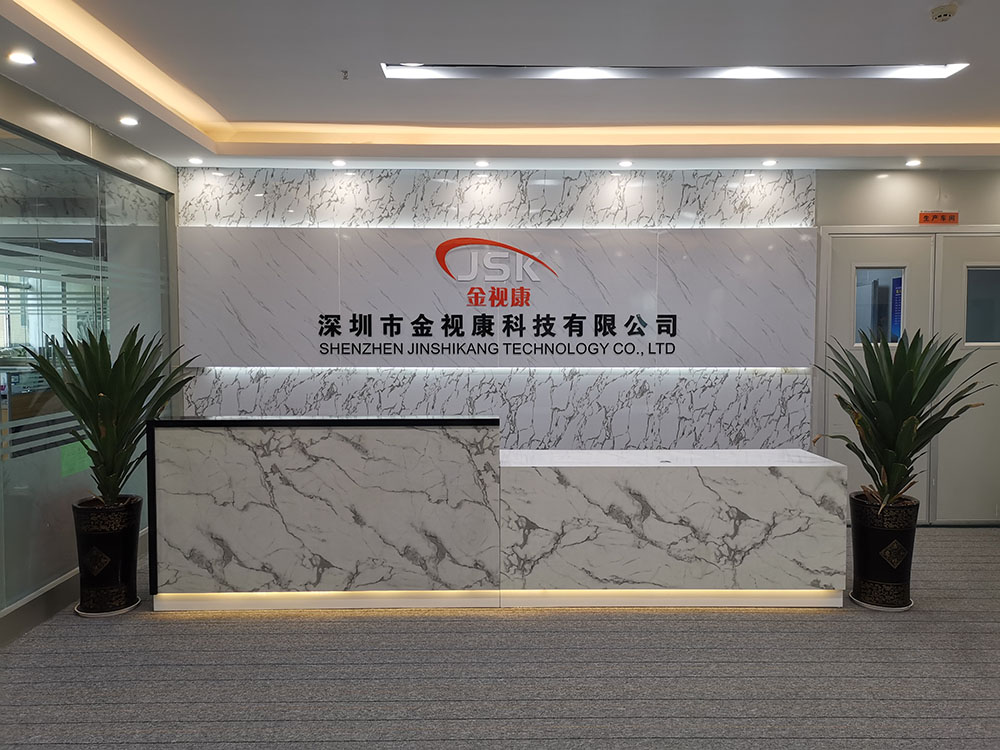
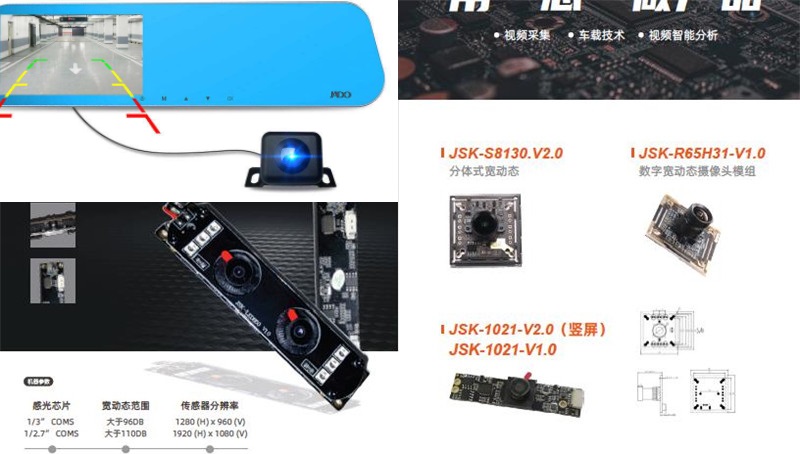
Jinshikang Technology specializes in camera modules covering consumer electronics, automotive, security, industrial inspection and more. From selection consulting to mass delivery, we provide end-to-end support. Let's talk.


AR0230---1/2.7 HD 2M Wide Dynamic
Fatigue Monitoring Camera Module
Motion DV Camera-720P-120 Degree Wide Angle Camera Module
Night Vision Monitoring Camera Module
Monitoring - Doorbell - Law Enforcement Instrument Camera Module
Ten Thousand Trillion Industrial Camera Camera Module
 13423810014
 0755-29433686
 daming@cameras-module.com
 2/F, Building H, Zhiyihan Industrial Park, Yuanling Village, Shiyan Town, Baoan District, Shenzhen 518108



We use cookies to enhance your browsing experience. Continuing to browse indicates that you agree to our cookie policy.