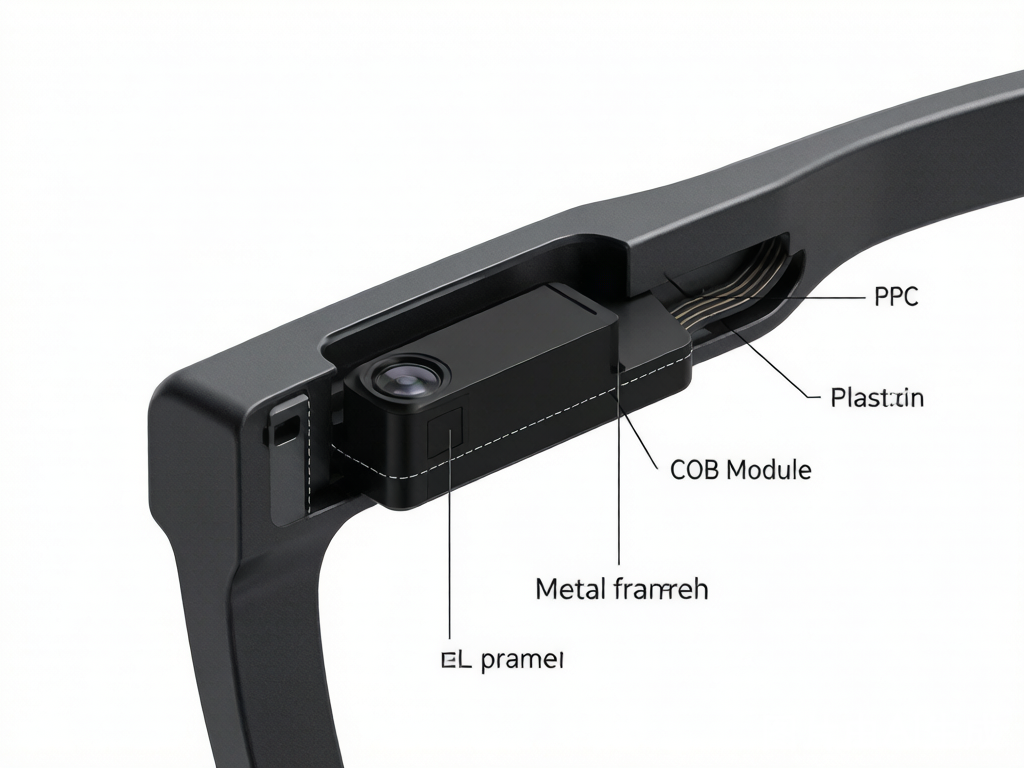
In 2026, AI smart glasses have become the hottest segment in consumer electronics. Samsung has unveiled its AI glasses with built-in cameras, Meta, Ray-Ban (Meta), and Rokid are releasing new products in rapid succession, while Apple's entry remains the subject of persistent rumors. All these products share one thing in common: they all depend on one or more miniature camera modules.
Putting a camera into eyewear is fundamentally different from putting one in a phone. Phones have ample space, large batteries, and graphite heat spreaders; in glasses every milligram counts, batteries hold only a few hundred mAh, and the module must work right against your skin. This means smart glasses impose an entirely new set of constraints on camera module selection.
If you're working on hardware selection for AI glasses, AR glasses, or similar wearables, the following 5 metrics matter far more than pixel count.
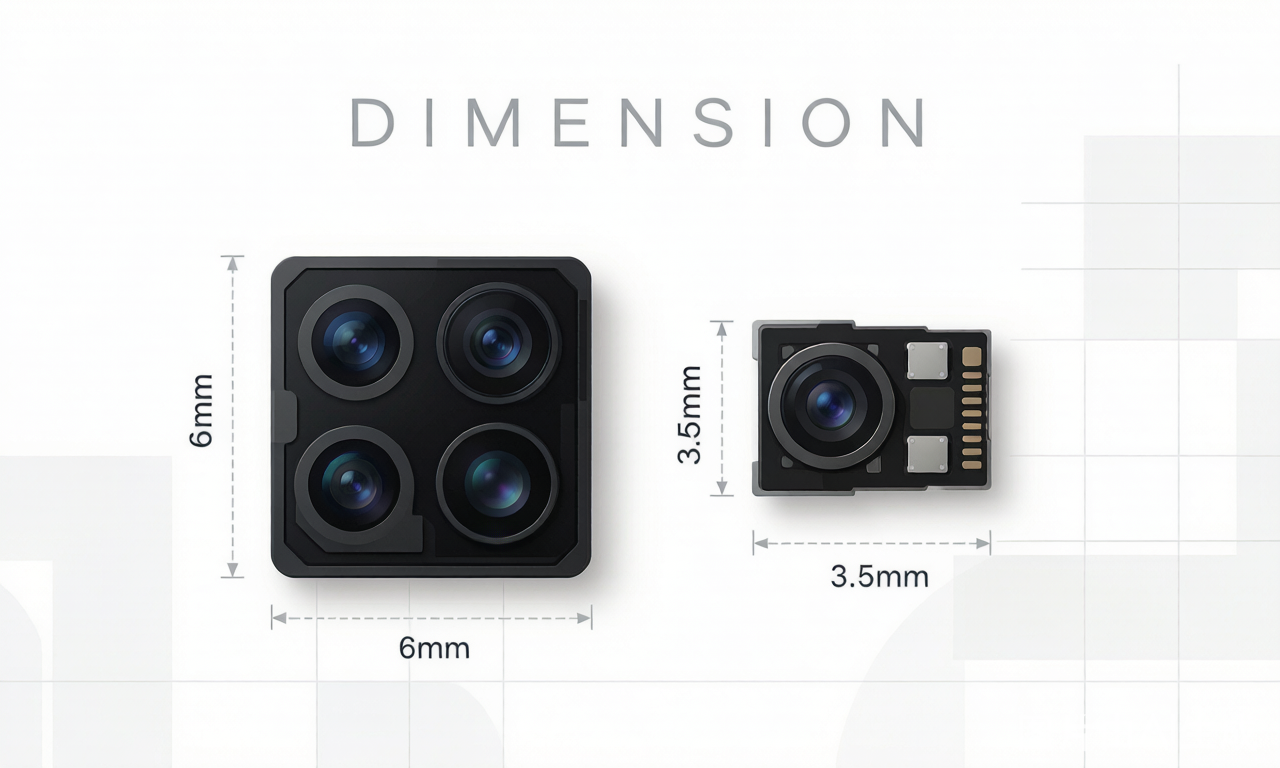
The nose bridge, temple arms, and hinges of smart glasses are premium real estate. A standard phone camera module is typically 5-6mm tall — it simply won't fit inside a temple.
The trap: Many engineers use phone module datasheets for selection, thinking sizes look close enough, only to discover during prototyping that the Z-axis height exceeds limits and the temple won't close.
The fix:
Smart glasses typically carry 150-300mAh batteries — roughly one-tenth of a phone's capacity. If the camera module leaks current poorly on standby, it can drain the battery entirely in a single day.
The trap: The operating current looks fine on paper, but many modules don't truly enter deep sleep at idle. Leakage of 2-5mA over 24 hours equals 50-120mAh — up to one-third of total battery capacity.
The fix:
The core experience of AI glasses is what you see is what you get. When the user says capture this or makes a gesture, the camera must go from sleep to usable image instantly. If it takes over 1 second, the user has already turned their head and captured nothing useful.
The trap: You only check sensor startup time (tens of milliseconds) but ignore the full chain: ISP initialization, auto-exposure convergence, autofocus search. Real-world wake-to-valid-frame often takes 800ms-1.5s.
The fix:
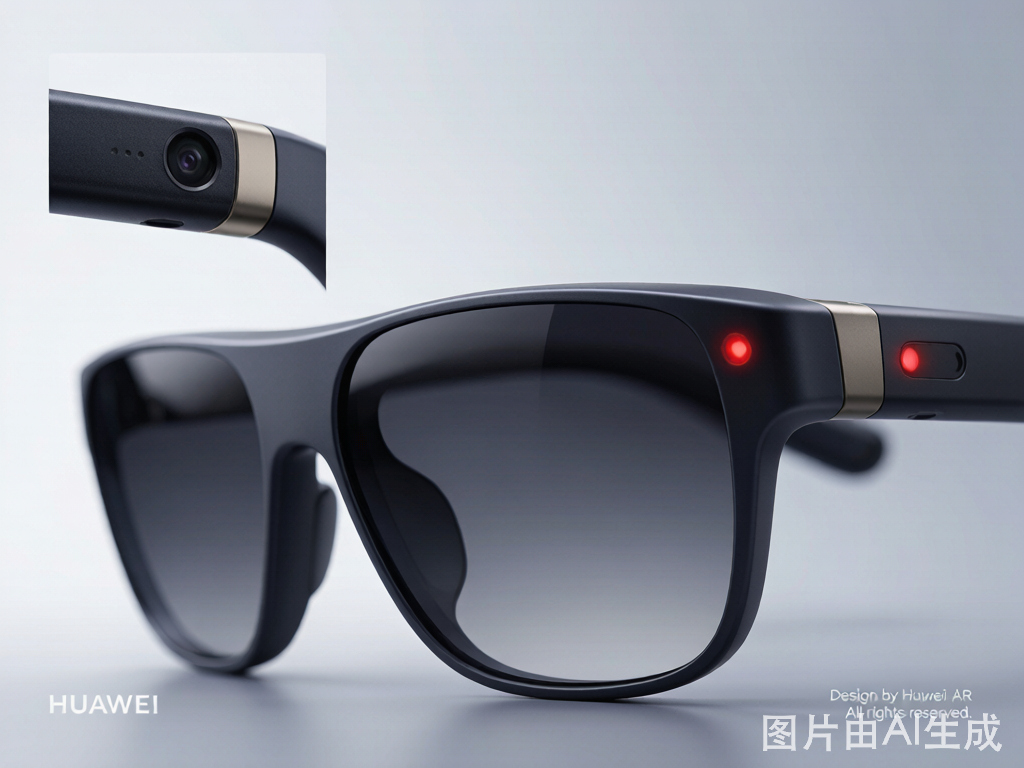
Smart glasses rest against temples and the bridge of the nose. Above 43C feels uncomfortably hot; above 45C becomes a safety concern. During continuous operation, the sensor and ISP generate heat that stacks on top of other heat sources, easily pushing past comfort thresholds.
The trap: You test the module's standalone temperature rise (+8C acceptable) without considering the integrated system where combined heat sources push local temperatures past 45C.
The fix:
Wearing a camera on your face in public triggers immediate privacy concerns. The EU and multiple US states are advancing legislation specifically targeting wearable cameras.
The trap: You implement only a software-level capture indicator. Without a hardware-level LED, users and media question how do we know when it's recording? — reputation damage follows.
The fix:
AI smart glasses push camera modules to an extreme scenario: smallest volume, lowest power, fastest wake-up, most stable cooling, strictest privacy. These five dimensions pull against each other — thinner means worse cooling, lower power means slower wake-up, faster response means more heat.
Selection comes down to finding the optimal solution within these five constraints given current technology capabilities. This requires a module manufacturer with deep understanding of wearable scenarios — not just phone module expertise.
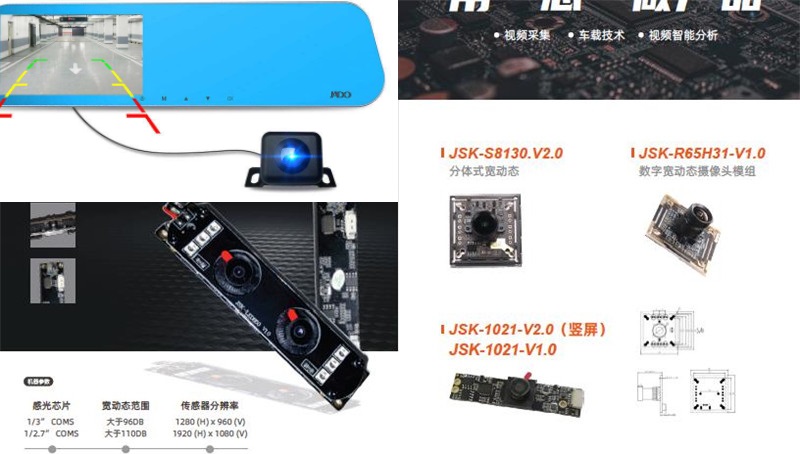
Jinshikang Technology brings years of expertise in ultra-miniature camera modules, including COB ultra-thin packaging, low-power customization, and co-debugging for wearable applications. If your smart glass project is in the selection phase, let's review your requirements together.


AR0230---1/2.7 HD 2M Wide Dynamic
Fatigue Monitoring Camera Module
Motion DV Camera-720P-120 Degree Wide Angle Camera Module
Night Vision Monitoring Camera Module
Monitoring - Doorbell - Law Enforcement Instrument Camera Module
Ten Thousand Trillion Industrial Camera Camera Module
 13423810014
 0755-29433686
 daming@cameras-module.com
 2/F, Building H, Zhiyihan Industrial Park, Yuanling Village, Shiyan Town, Baoan District, Shenzhen 518108



We use cookies to enhance your browsing experience. Continuing to browse indicates that you agree to our cookie policy.