On November 4, 2026, Korean camera module manufacturer Cammsys announced the start of mass production of ultra-wide-angle and AI camera modules for Samsung Electronics' Bespoke AI Family Hub refrigerator lineup. This marks Cammsys' first mass production in the home appliance sector, extending its smartphone camera module design and manufacturing capabilities into a completely new domain. For overseas OEM/ODM procurement and hardware engineers, this signals the opening of a new selection dimension — smart appliance camera modules have technical specifications, supply chain logic, and lifecycle management requirements that differ fundamentally from mobile and automotive modules, and the cost of selection mistakes is entirely different.
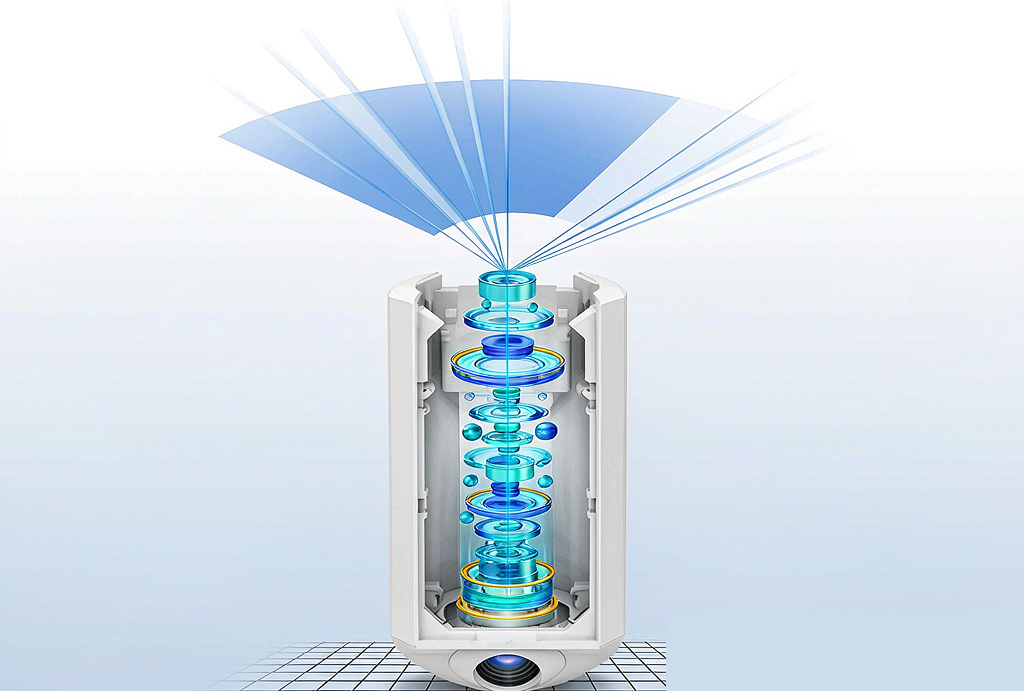
Many procurement professionals approaching smart appliance camera projects instinctively think, "Just use a phone module — appliances don't need great image quality." This assumption is the biggest trap. Cammsys is supplying ultra-wide-angle modules for Samsung's AI refrigerator, not standard phone main camera modules. The reason is simple: a refrigerator interior is a confined space with limited depth but extreme field-of-view requirements. Users need to see all food items via remote smartphone access, and standard phone modules with 60-75 degree FOV cannot cover the entire refrigerator cavity.
Smart appliance camera modules differ from mobile and automotive modules in three fundamental technical aspects:
Selection must define three parameters upfront: the target application's extreme temperature range, continuous operation duration, and FOV requirements. We recommend creating a dedicated "appliance-grade operating conditions" parameter table in the specification, rather than reusing phone module templates. For ultra-wide-angle needs, prioritize suppliers with established fisheye lens mass production experience rather than asking standard lens vendors to custom-design — production consistency of optical distortion requires extensive manufacturing line experience.
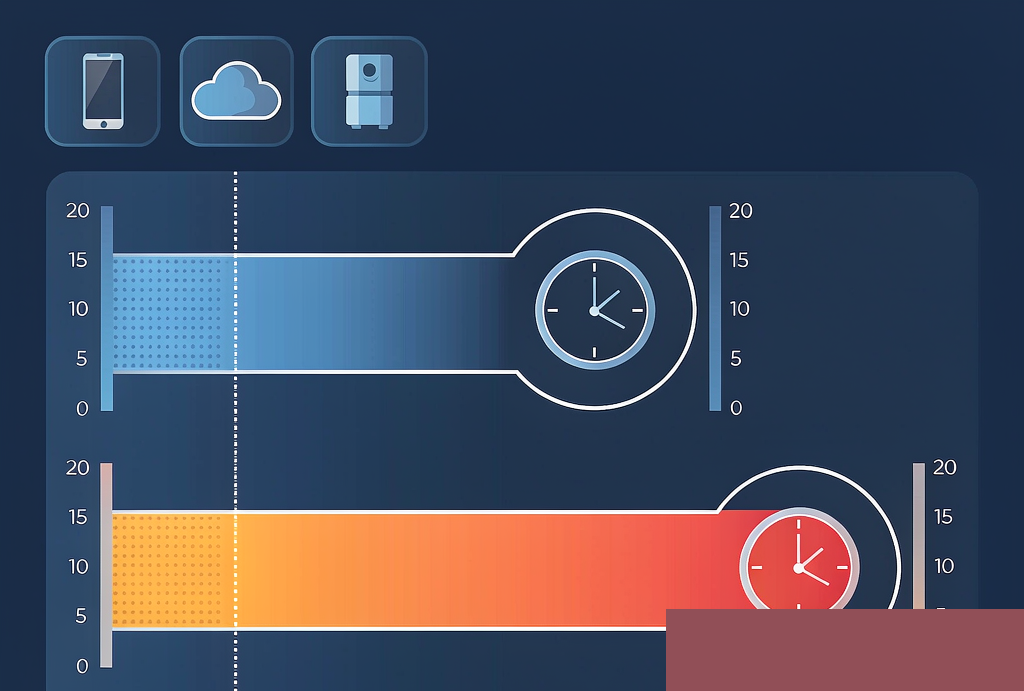
Cammsys specifically noted in its announcement: "Home appliance cameras typically maintain the same specifications over a longer supply period, so this business may have lower revenue volatility compared to mobile camera modules." For procurement, this is a double-edged sword — a long supply period means that once you select a module solution, you may need to procure it continuously for 3-5 years or more. If supply chain long-term stability is not adequately assessed during selection, module discontinuation, CIS shortages, or lens supplier market exit after 3 years can force a complete product redesign.
The lifecycle difference between appliance and mobile products is dramatic:
| Dimension | Mobile Module | Smart Appliance Module |
| Product lifecycle | 12-18 months | 3-5 years or longer |
| Per-project volume | Tens of millions | 100K to 1M units |
| Spec change frequency | Annual iteration | Unchanged for 3 years |
| CIS discontinuation risk | Low (high volume = priority supply) | High (low volume = easy cut) |
The most typical trap: selecting a high-market-share but short-lifecycle consumer-grade CIS that gets discontinued after 2 years — while the appliance product is still in its sales cycle, with no pin-to-pin replacement available, forcing PCB and module structure redesign.
Selection must include a "CIS lifecycle assessment": prioritize industrial-grade or surveillance-grade CIS (such as OMNIVISION OV2740, Onsemi AR0246), which typically have declared production lifecycles of 7-10 years, far exceeding consumer-grade CIS at 3-5 years. Require suppliers to sign an EOL Notice Agreement ensuring at least 12-18 months of final procurement window after discontinuation notice. Dual-source strategy is equally important — lock at least two CIS platform solutions at the specification definition stage to avoid single-point dependency.
Samsung's AI refrigerator's core function is food recognition — when the user opens the door, the camera automatically captures an image, AI identifies food types, quantities, and expiration dates, then pushes recipe suggestions and restocking reminders. This requires the camera module to see wide (ultra-wide-angle covering the entire cavity) and see clearly (AI recognition needs sufficient resolution and color accuracy). Ultra-wide-angle and high definition are naturally contradictory in optical design — wider angles mean more severe edge distortion and resolution degradation.
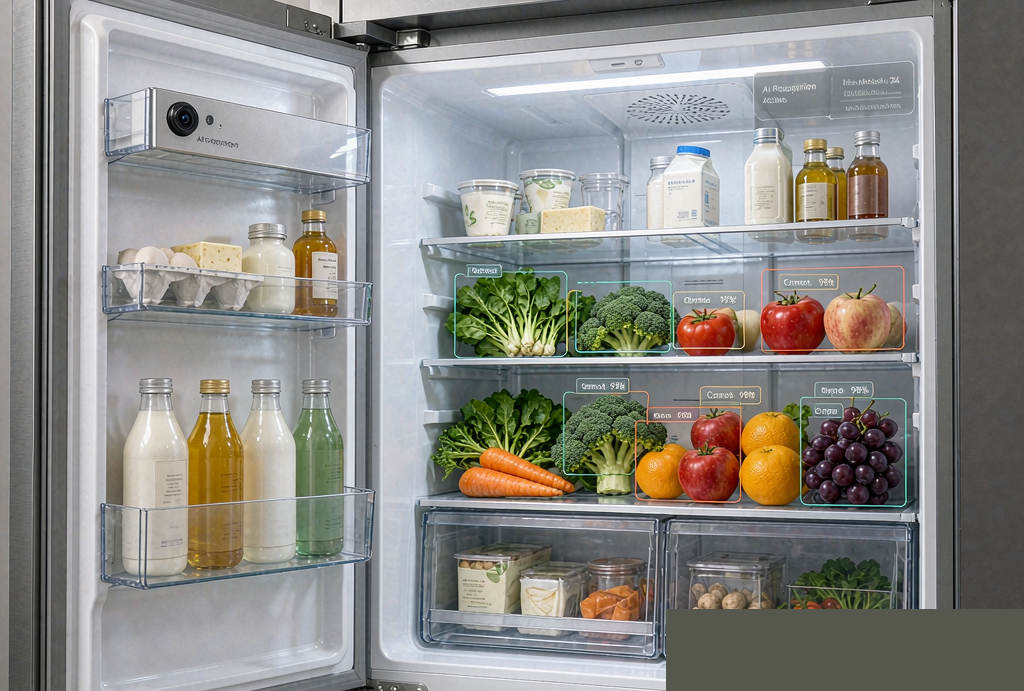
Ultra-wide-angle module edge distortion severely interferes with AI recognition algorithms:
Many teams' approach is "capture first, then software distortion correction," but this introduces new problems: software correction loses edge pixels, reducing effective resolution; correction computation increases SoC processing burden, which is unacceptable in power-sensitive appliance scenarios.
Prioritize ultra-wide-angle lens solutions with optical distortion controlled within TV Distortion 5%, rather than relying on software post-correction. During module validation, add an "AI recognition rate verification" step — not just testing traditional optical metrics like MTF and color reproduction, but using actual food samples to test AI recognition accuracy differences at different cavity positions (center vs. edge vs. corner). We recommend jointly defining acceptance criteria with the AI algorithm team: edge area recognition rate should not fall below 85% of center area rate.
Many engineers assume appliance certification requirements are lower than automotive — this is a dangerous misconception. Smart appliance cameras involve food contact safety (inside refrigerators), electrical safety (humid environments), EMC compatibility (motors and cameras sharing cavities), and other multi-layered certifications. Some scenario requirements are even more specialized than automotive. For example, refrigerator interior cameras must comply with FDA food-grade material certification (US market) or GB 4806 (China market), severely restricting material choices for lens elements and module housings.
Key certification traps include:
Build a certification checklist matrix at the selection stage: list all mandatory certification requirements for target markets (FDA, CE, CCC, PSE, etc.), and verify item-by-item whether the module supplier has existing certification records for similar products. Prioritize suppliers with IATF 16949 (automotive-grade quality system) or ISO 9001 certification and mass production delivery experience in the appliance sector — cross-domain suppliers have more mature quality control systems and higher certification pass rates.
Based on the above analysis, here is an action checklist for OEM/ODM procurement and engineers preparing to enter the smart appliance camera space:
The smart appliance camera module market window is opening. Cammsys' mass production delivery for Samsung's AI refrigerator validates the closed loop from technical feasibility to commercial viability. For module supply chain enterprises seeking growth directions, early deployment of appliance-grade module manufacturing capabilities and certification systems will secure first-mover advantages in the coming 3-5 year long cycle. Jinshikang Technology has established a camera module mass production system covering consumer electronics, automotive, security, and industrial inspection scenarios, and can undertake OEM/ODM customization needs in the smart appliance sector — from ultra-wide-angle lens design to food-grade certified module packaging, providing integrated solutions.
The biggest difference lies in operating environment and lifecycle. Smart appliance modules must operate continuously in extreme temperatures (0-10C refrigerators or 80C+ ovens), FOV typically requires 120-160 degree ultra-wide-angle, and product lifecycle of 3-5 years far exceeds phone modules at 12-18 months. Selection cannot use phone module spec templates — dedicated appliance-grade operating condition parameters must be defined separately.
Appliance product lifecycles are typically 3-5 years. If a consumer-grade CIS with a 3-5 year declared lifecycle is selected, it may be discontinued while the appliance product is still in its sales cycle. We recommend prioritizing industrial-grade/surveillance-grade CIS with 7-10 year declared lifecycles and signing EOL advance notice agreements ensuring 12-18 months of final procurement window after discontinuation.
The key is controlling distortion at the optical design stage rather than relying on software post-correction. We recommend selecting ultra-wide-angle lenses with TV Distortion within 5%, and adding AI recognition rate testing during module validation: use actual food samples to test recognition rate differences between center and edge areas, requiring edge area recognition rate to be no less than 85% of center area rate.
Depending on the application: refrigerator interior cameras need FDA/GB 4806 food contact safety certification; dishwasher/washing machine embedded cameras need IP67+ waterproof rating; all appliance products must pass EMC compatibility testing and damp heat cycling aging tests (85C/85%RH 1000 hours). We recommend choosing suppliers with IATF 16949 or ISO 9001 certification and mass production experience in the appliance sector.


AR0230---1/2.7 HD 2M Wide Dynamic
Fatigue Monitoring Camera Module
Motion DV Camera-720P-120 Degree Wide Angle Camera Module
Night Vision Monitoring Camera Module
Monitoring - Doorbell - Law Enforcement Instrument Camera Module
Ten Thousand Trillion Industrial Camera Camera Module
 13423810014
 0755-29433686
 daming@cameras-module.com
 2/F, Building H, Zhiyihan Industrial Park, Yuanling Village, Shiyan Town, Baoan District, Shenzhen 518108



We use cookies to enhance your browsing experience. Continuing to browse indicates that you agree to our cookie policy.